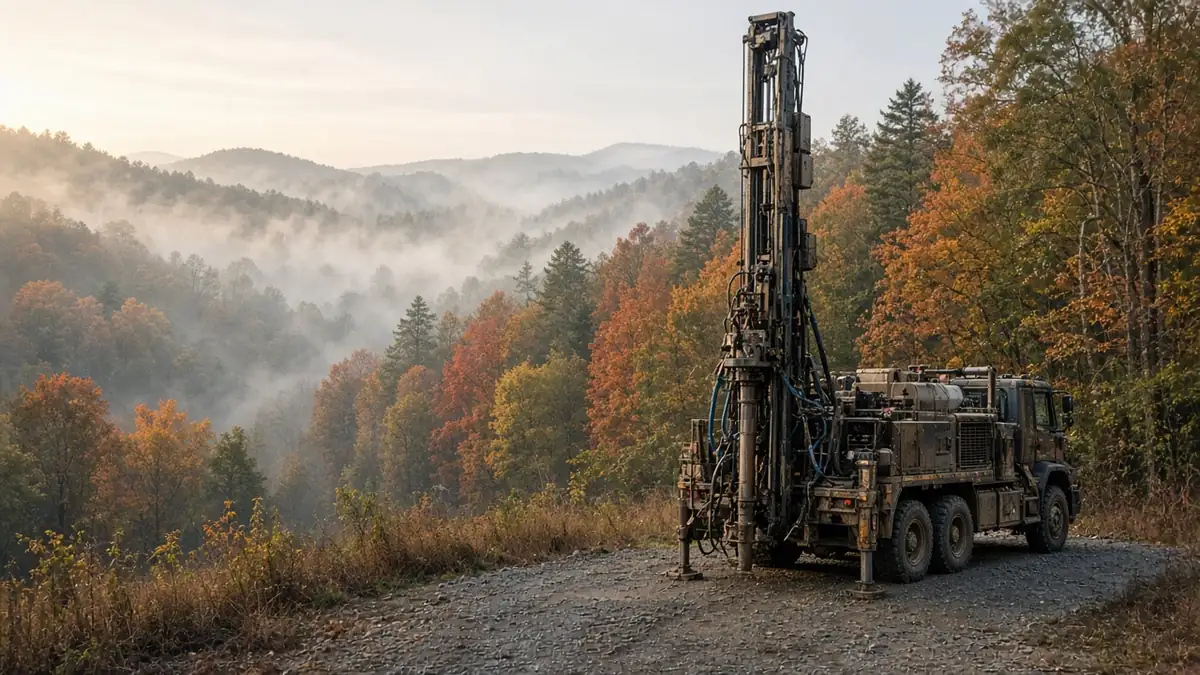
Well drilling services around Knoxville
Whether you need a brand-new well or your existing one has stopped working, here's what each kind of project usually involves around Knoxville and what information helps a driller respond quickly.
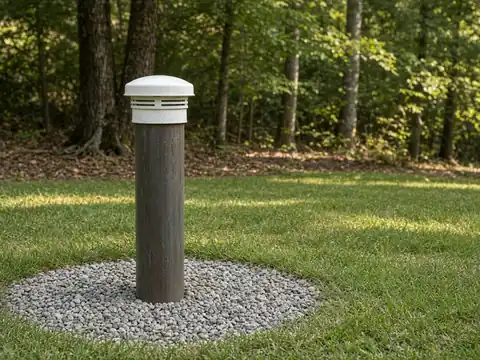
New water wells
Drilled wells for new homes, cabins and land without public water.
Start this request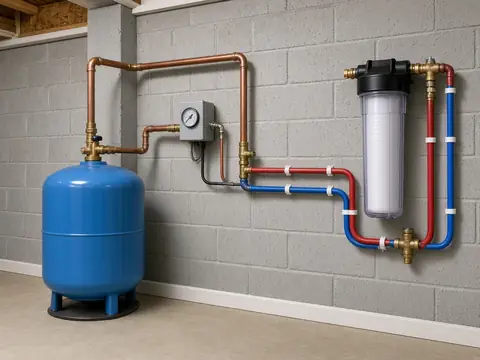
Pumps & pressure tanks
No water, low pressure, short cycling or a tank that has given out.
Start this request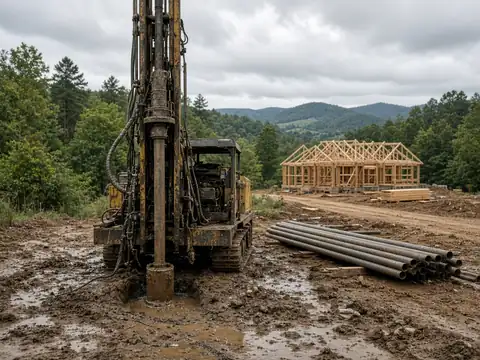
New construction
Plan the well early, alongside septic, driveway and house placement.
Start this requestNew well construction
A new well usually starts with choosing the location: away from the septic system and drain field, livestock areas and property lines, and where the rig can reach. The driller bores through soil and weathered rock, sets casing into solid rock, grouts the casing, and continues drilling until enough water is found. They then test the yield, install the pump and pressure system, and file the required completion report with the state.
Ask what yield, in gallons per minute, the driller considers adequate for your household, and what options exist if the well comes in low, such as storage tanks.
No water or low water pressure
Losing water suddenly is often a pump, pressure switch, control box or electrical issue rather than a dry well. Gradual decline can point to a failing pump, a clogged screen, mineral buildup or a falling water level. A pump service technician can diagnose it, often in a single visit.
If you're on a well and lose water, check the breaker and the pressure switch first, and note any clicking or short-cycling to tell the technician.
Pump replacement
Submersible pumps last years but do wear out. Replacement involves pulling the pump, pipe and wire from the well, which may require a pump-hoist truck for deeper wells. It's a good time to inspect the drop pipe, wiring and well cap, and to consider a constant-pressure controller.
Water quality concerns
Cloudy water after rain, a rotten-egg smell, staining or a positive bacteria test all have different causes. Some point to well construction problems, such as surface water getting in, which a driller can address. Others call for treatment. Start with a lab test so you know what you're dealing with.
Sealing old wells
Unused wells can act as a direct path for contamination into groundwater and can be a hazard. Properly sealing an old well under state standards is a job for a licensed driller.
Free matching service by Voraus LLC. We connect you with independent local well drillers. We are not a well driller and do not perform the work.
Well services people request
New residential water wells
Drilling, casing, grouting, and pump installation for homes on property without public water. The driller will ask about the house location, septic location and access for the rig.
Well pump replacement and repair
Submersible pump failures, pressure switch problems, bad check valves and wiring faults are common reasons for losing water. Many well contractors handle pump service as well as drilling.
Pressure tanks and controls
Waterlogged or failing pressure tanks cause rapid pump cycling, which shortens pump life. Constant-pressure systems are an option for some homes.
Well deepening and low-yield problems
When a well no longer keeps up, options can include deepening, hydrofracturing, adding storage, or drilling a new well. A driller can tell you which makes sense.
Water testing and treatment referrals
New wells should be tested for bacteria and basic water quality. Drillers often recommend testing labs and may install treatment such as sediment filters, softeners or UV disinfection.
Agricultural and livestock wells
Wells for barns, pasture watering and gardens, which often have different flow needs from household wells.
Geothermal boreholes
Closed-loop geothermal heat pump systems use drilled boreholes, which in Tennessee also require a Notice of Intent filed before drilling.
Well abandonment
Old or unused wells should be properly sealed to protect groundwater. Licensed drillers handle this.
What affects the cost of a well
Depth
Most drillers price by the foot, so final depth is the biggest variable. In karst bedrock, depth can range widely even on the same road. Ask how the driller prices if the hole goes deeper than expected.
Casing and grout
Steel or PVC casing is set through soil and weathered rock into competent bedrock and grouted to keep surface water out. Deeper overburden means more casing.
Pump, tank and controls
Pump size depends on depth to water and household demand. Constant-pressure systems cost more up front than a standard pump and pressure tank.
Site access
The rig is a heavy truck. Steep driveways, soft ground, tight spots and trees can add time or require site work.
Trenching and connection
Running the water line from the well to the house, plus electrical from the panel to the pump, may or may not be included.
Water quality
If testing shows bacteria, iron, manganese, hardness or sediment, treatment adds to the cost. Test before you budget for final fixtures.
Ready to get your well drilling project moving?
You don't need technical details to start. Something like "new house on 5 acres near Maryville, no city water, want water before spring" is enough for a driller to begin the conversation.